
 Apply
Apply  Visit
Visit  Request Info
  Give
Give  Apply
Apply  Visit
Visit  Request Info
  Give
Give  D2L
D2L  Calendar
  Directory
  Course Schedule





After a year’s collaboration with Københavns Professionshøjskole (KP) in Copenhagen, Denmark, as a Fulbright Scholar, Kristyn VanderWaal Mills returned with a clearer picture of how different education systems prepare students for careers in science and technology. By comparing Københavns Professionshøjskole (KP), where she spent a semester on campus studying, with Saint Paul College (SPC), she explored a simple yet important question: how do we best prepare students for real-world STEM jobs? What she found is encouraging. Students in both places are learning many of the same essential skills, but SPC could also consider practical changes to make the learning experience more connected, clear, and career-focused.
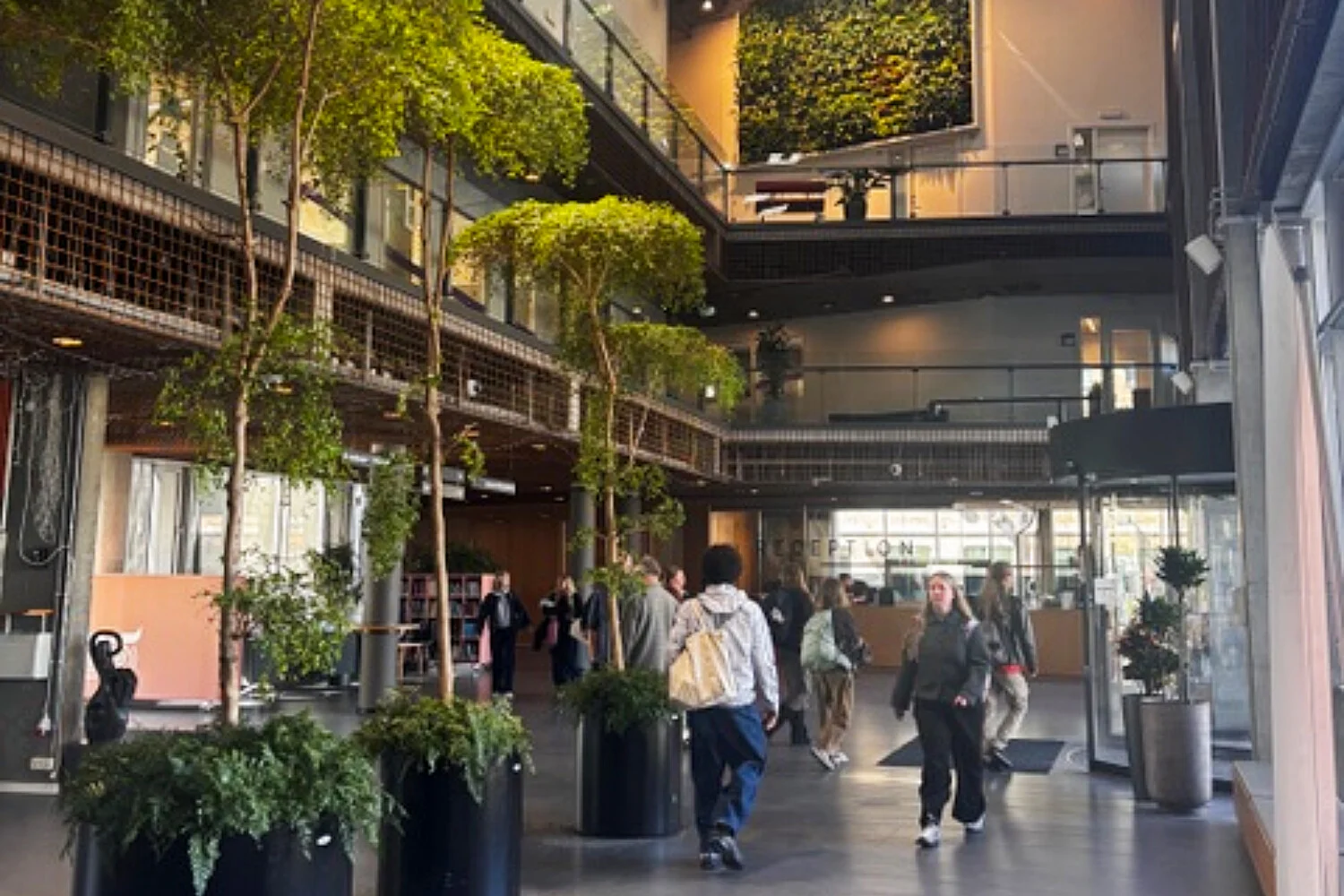
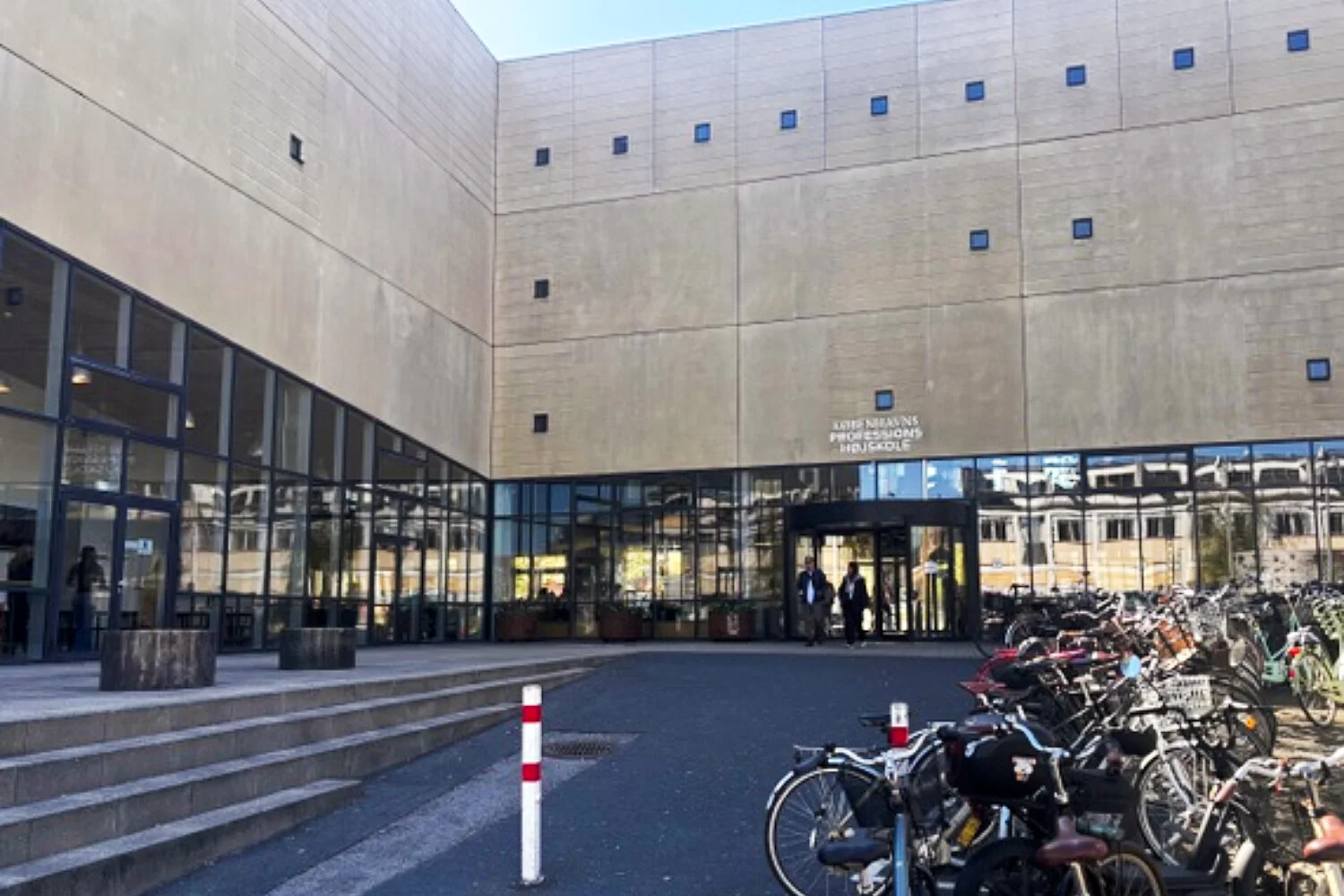
LabBridge Virtual Exchange: Building Global Lab Skills
At the center of this work were two projects. The first, called the LabBridge Virtual Exchange, brought students from Denmark and SPC together online. They discussed lab techniques, shared how their programs worked, and practiced communicating about science professionally. What started as structured conversations quickly turned into something more natural. Students stayed engaged, continued discussions outside scheduled meetings, and became more confident speaking about their work. For many, it was their first time working with peers from another country, and it made their learning feel more relevant and real.
Technological Literacy Project: Comparing Workforce Skills
The second project, the Technological Literacy Project, looked more broadly at the skills students need for modern laboratory careers. Faculty, researchers, and industry professionals contributed insights about what matters most on the job and how those skills are taught. What stood out was that there weren’t significant differences between Denmark and the United States in expectations. In both places, employers value strong lab skills, clear communication, teamwork, and critical thinking. In other words, the core goals are well aligned. The difference lies more in how students get there.

Meaningful international exchange thrives not through completion of a research project, but through creating space to examine familiar practices and collaborate.
Fulbright Scholar & Instructor
Building a Pathway Forward from Coursework to Career
Denmark’s structured model makes the connection between classes and careers clear from the start, helping students understand exactly what they are working toward and how each part of their program supports that goal. While SPC offers valuable flexibility, aligning courses more intentionally and emphasizing communication skills and industry perspectives could create a more connected, career-focused experience. These adjustments would make learning more relevant and help students better translate their education into real-world success.
Looking ahead, the opportunity for SPC is not to become more rigid, but to combine flexibility with clearer pathways and stronger connections to careers. Programs like the LabBridge Virtual Exchange demonstrate that simple, affordable approaches, such as global collaboration, can boost confidence, engagement, and communication skills. By strengthening course alignment, expanding hands-on learning, building industry partnerships, and continuing to offer global opportunities, SPC can create a more intentional and supportive experience that prepares students for today’s workforce.