
 Apply
Apply  Visit
Visit  Request Info
  Give
Give  Apply
Apply  Visit
Visit  Request Info
  Give
Give  D2L
D2L  Calendar
  Directory
  Course Schedule





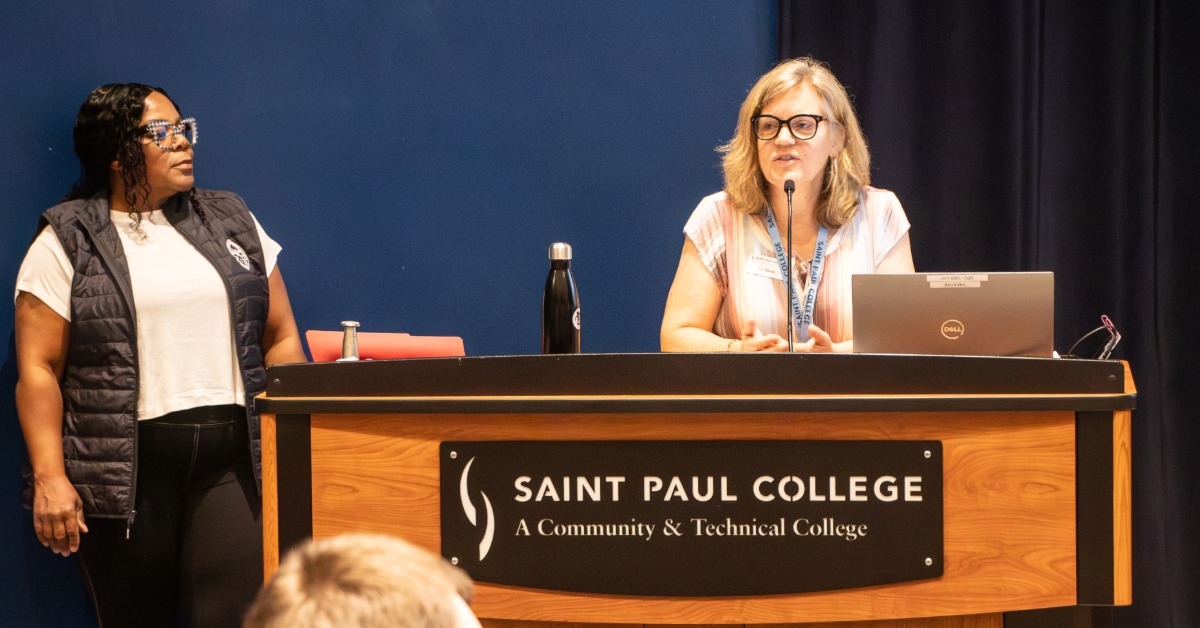
When you graduate from Saint Paul College (SPC), we want you to be ready for the career you’ve worked hard for, and that means understanding more than just the technical skills. It means being prepared for job site culture and mental health.
In construction, approximately 5,000 workers die by suicide each year. Men, who make up 90% of the workforce, experience suicide rates that are five times the national average, while rates among women in construction are nearly double the national average. To help students understand these realities before entering the workforce, Saint Paul College hosted national suicide prevention leader Yolanda Y. McIntosh.

Sometimes we talk about mental health so broadly, and generally, it could mean anything. But what does it mean in the work each of us does, what we struggle with, what is happening in our environment and the culture of the work we do? I looked for approaches I could take to address the unique struggles of students in the trades, the stress they face, and the supports available to them. I want them to be successful in their work and prepared to take on challenges. As part of that, sometimes we can prepare them with some honest conversations about challenges, resources and strategies.
Director of Mental Health
A Sobering Presentation
After a brief introduction, Yolanda stepped center stage and relived her breakdown in the office.
“Why won’t the voices stop!?”
Her desperate shout was met with laughter from her coworkers, their amusement echoing through the office. The audience saw firsthand how vulnerability is often dismissed in a world where toughness is prized above all—where bullying, harassment, and hazing blend into the daily hum of a high-stress job site.
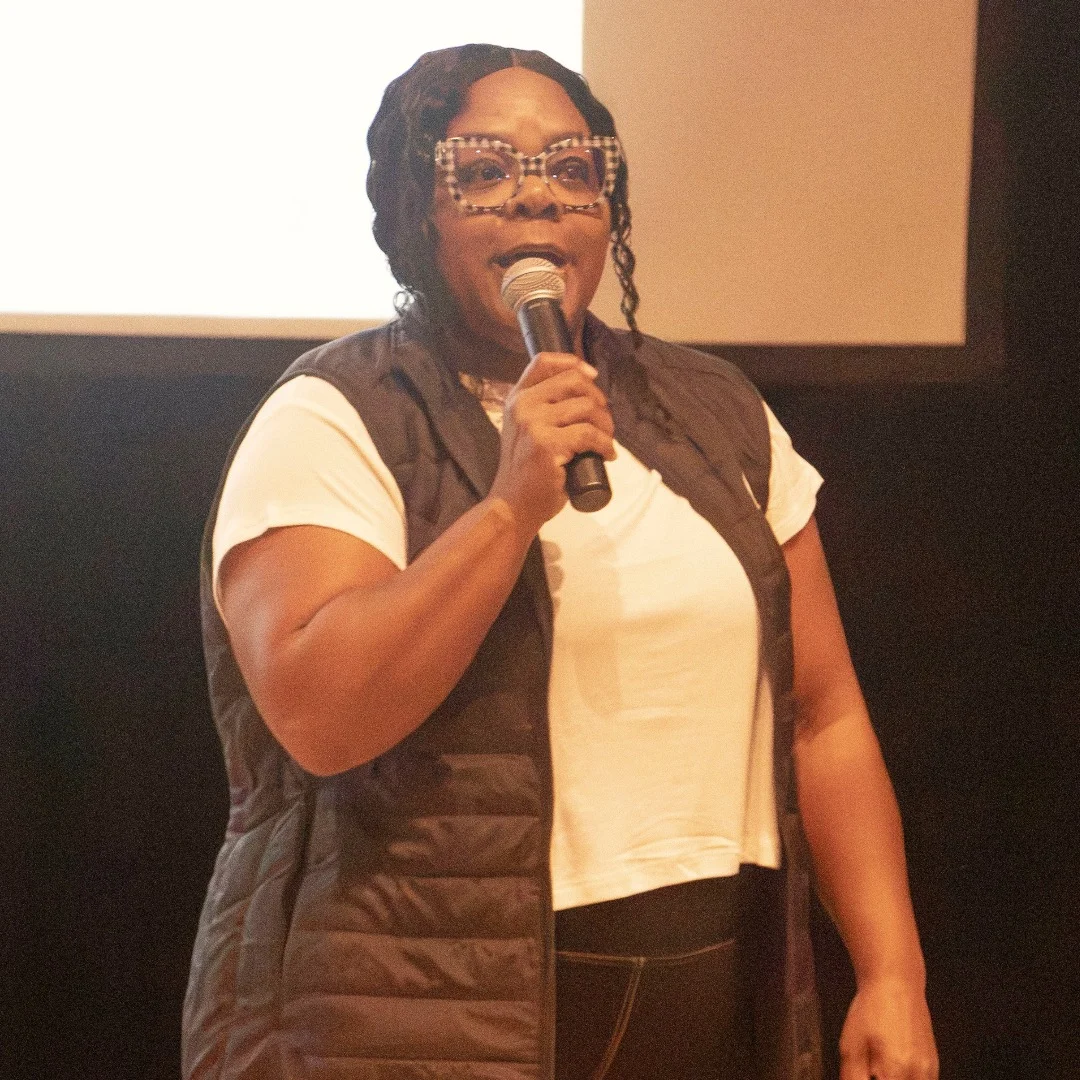
Who is Yolanda?
Yolanda Y. McIntosh is the Director of Organizational Wellbeing and Culture at Associated General Contractors of Minnesota. She is a national leader in construction suicide prevention and heads up the VitalCog regional training and awareness program for construction.
She draws on more than a decade of experience in the construction industry, along with her personal experience, to connect with companies, job sites, colleges, and more on mental health and suicide awareness in the trades. With her time at SPC, she recounted her own struggles and her son’s battle with addiction. Her sobering presentation ends with a call to action for every student entering the workforce. SPC students can be catalysts for change by confronting the culture that has allowed this mental health crisis to take root.
Student & Faculty Dialogue: Key Takeaways
During the presentation, students and faculty engaged directly with Yolanda, asking tough questions about navigating mental health in the trades:
On Industry Reception: Automotive Tech Instructor Jake Yernberg asked how industry veterans receive her message. Yolanda shared that while some veterans start out cold or defensive, her honest approach changes the room: “These grown men are brought to tears because they feel heard and understood.”
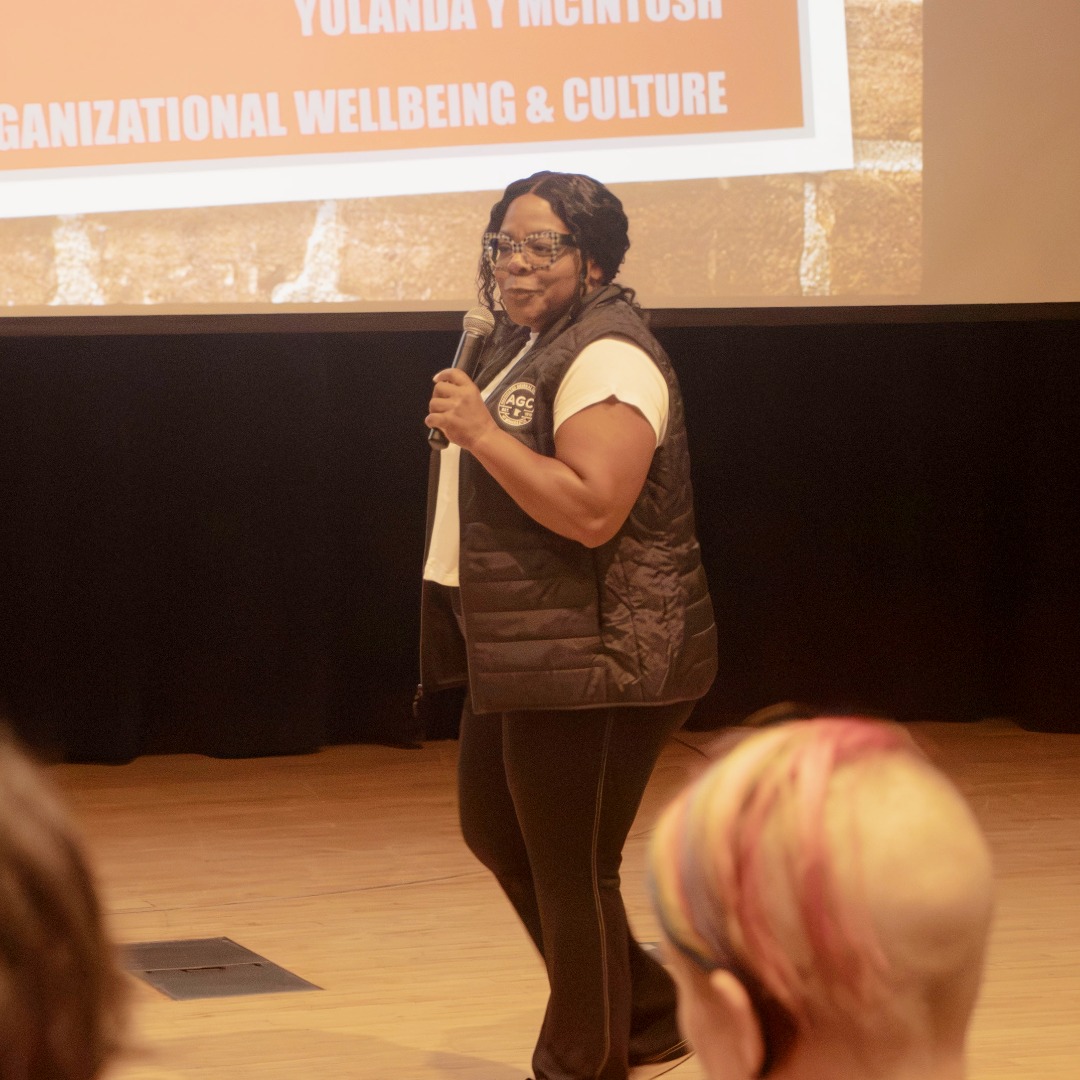
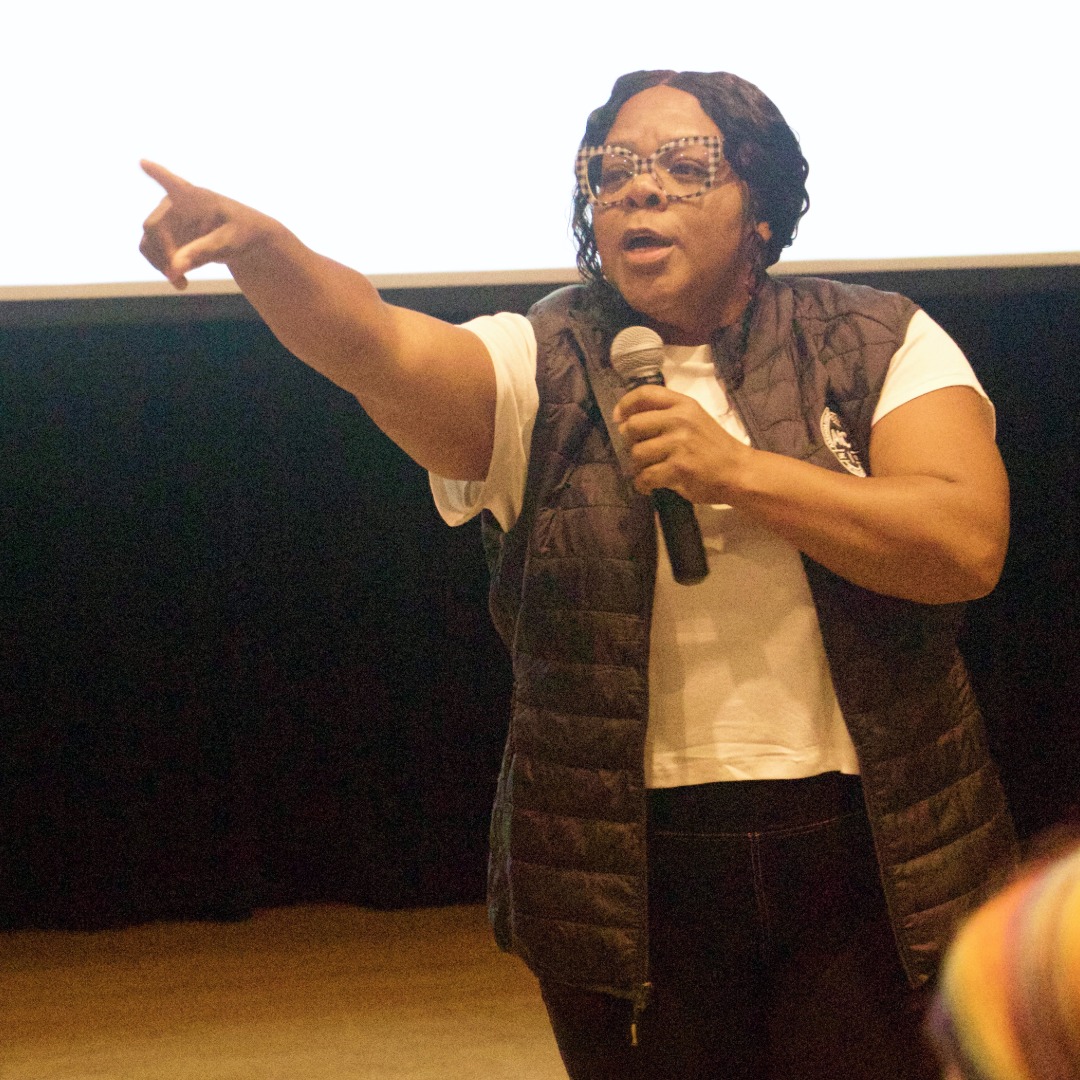
Overcoming the “Tough Guy” Mentality: A male trade student asked how to deal with the psychological pressures on high-stress job sites. Yolanda emphasized the need for peer support and transparency, addressing the fear that keeps workers silent: “People are afraid to speak about their struggles because of the ‘tough guy’ mentality and the fear of losing a promotion. Mental health is seen as a liability.” She reminded students that asking someone if they are struggling gives them permission to open up.
How to Show Support: An Auto Tech student asked for concrete ways to support crew members. Yolanda urged students to become familiar with the warning signs, use resources such as the Culture of Care initiative, practice self-care, and actively foster a job site culture that respects and accepts differences.
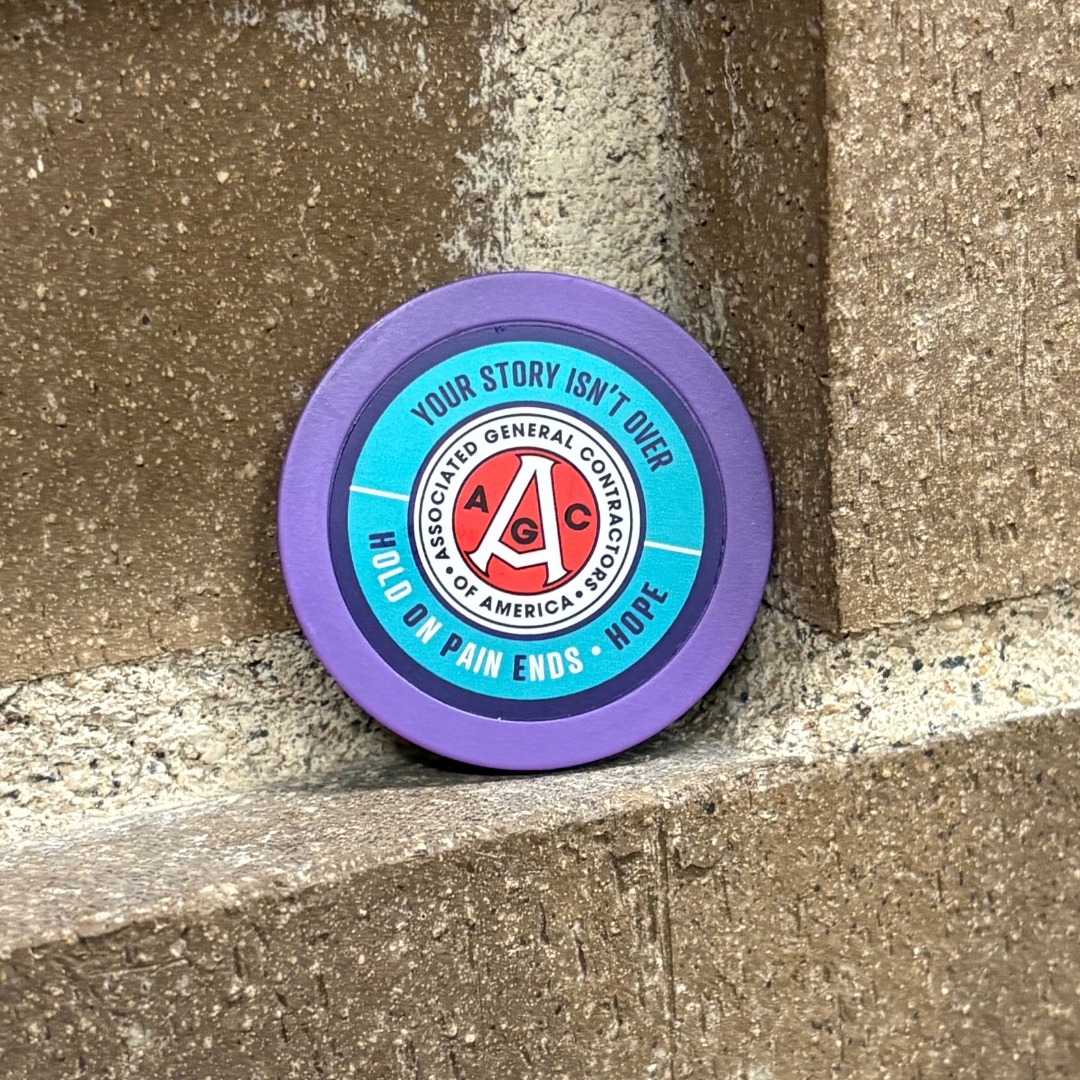
Key Resources & Support
Yolanda’s presentation was both a warning and a call to action. Here are the immediate resources and steps SPC students can use as they enter the workforce:
- Educate Yourself: Explore VitalCog training and the Culture of Care initiative.
- Create a Buddy System: Find a safe person on the job site you can signal to when you’re not okay.
- Check In: Learn the warning signs and check in on coworkers, even when someone appears okay on the surface.
- Utilize Employer & Union Resources: Take advantage of your Employee Assistance Program (EAP) and union support networks.
- 988 Suicide & Crisis Lifeline: Call or text 988 for free, confidential support for yourself or a peer.
- Hold Employers Accountable: Ask about workplace culture and mental health resources starting from your very first job interview.
The student and faculty presence at this presentation shows that the future of the construction and trades industries is shifting. As Saint Paul College students begin their careers, prioritizing mental health will be essential to building safer, stronger workplaces.
SPC Mental Health Counseling
Students who need support can access Saint Paul College Mental Health Counseling services, which provide free short-term counseling, crisis support, coping strategies, referrals, and mental health resources.