
 Apply
Apply  Visit
Visit  Request Info
  Give
Give  Apply
Apply  Visit
Visit  Request Info
  Give
Give  D2L
D2L  Calendar
  Directory
  Course Schedule





As young people begin to envision their futures, how can we ensure they see every possibility? Over the past four years, a transformative partnership with the Richard M. Schulze Family Foundation (RMSFF) has helped Saint Paul College explore that question.
Since 2021, RMSFF has invested $1.25 million to support SPC in expanding access to Career and Technical Education (CTE) pathways for students who may not pursue a traditional four-year degree. These programs prepare learners for high-demand careers in healthcare, technology, and skilled trades – fields that provide strong wages and opportunities for advancement within just a few years.

Through this partnership, thousands of middle and high school students have explored CTE through hands-on activities such as touring our campus, observing demonstrations in SPC’s healthcare labs and trades programs, and connecting with current students. Summer programs, such as Trade and Tech Innovator and SCRUBS camps, have introduced technical careers in engaging and interactive ways, often sparking new passions in students they didn’t realize they had.
One of the most exciting innovations is the expansion of SPC’s Postsecondary Enrollment Options (PSEO). Thanks to RMSFF, high school students can now take PSEO courses in fields like Health Sciences Broad Field, Welding, Truck Technician, Electromechanical Systems, and Cabinetmaking. These pre-major programs allow students to earn dual credits while exploring CTE pathways they might not have considered, providing an easy transition into full programs after graduation.
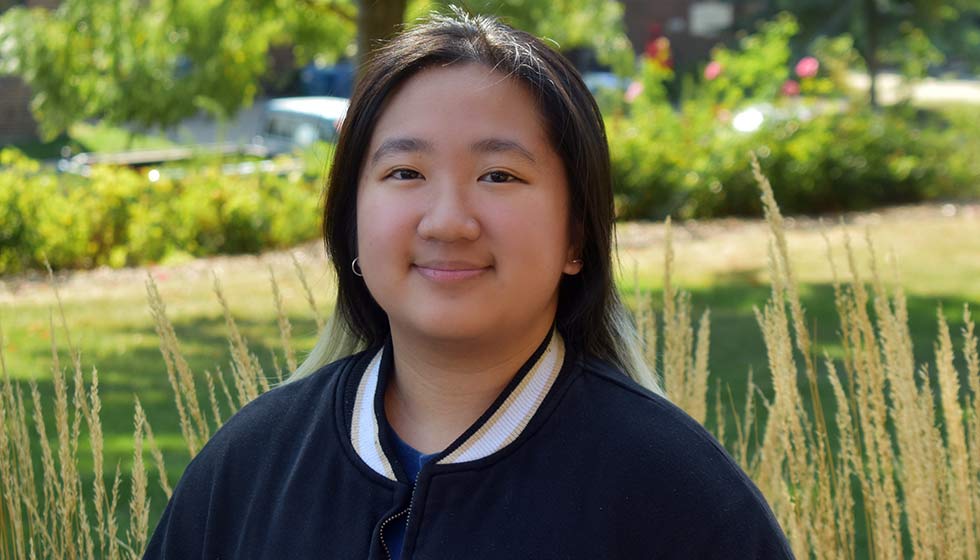
From First Spark to Future Engineer: A Limitless Future for Cabee Thao

Cabee Thao knew she wanted to do something creative but wasn’t sure which path to take. Her first spark of inspiration came during a high school PSEO Metal Arts class at Saint Paul College, where a simple introduction to welding opened her eyes to new possibilities. That experience led her to enroll in the college’s new PSEO Welding pathway, made possible by RMSFF. By the time she graduated from high school, Cabee had already earned credits toward her credential and seamlessly transitioned into Saint Paul College’s Welding Diploma program. She is on track to graduate with an associate’s degree in Spring 2026, equipped with hands-on experience, industry-recognized skills, and a full-time position in the trades. And her journey doesn’t stop there: Cabee plans to eventually return for a four-year engineering degree, proving that technical education can be both a launching pad and a lifelong advantage. Her story is one of many that show how early exposure and flexible pathways create options – not limits – for students’ futures.
Why Partnerships Like This Matter
Minnesota employers are looking for skilled workers in the technology and trades fields. These careers offer competitive pay, opportunities for advancement, and contribute to the strengthening of our communities. By encouraging students to explore these paths early, we’re not only shaping individual futures – we’re creating a resilient workforce that benefits everyone.
We’re proud to announce we’ve received our fifth year of funding from RMSFF to continue this vital work. This support allows Saint Paul College to sustain proven initiatives while testing innovative micro-credential programs for local high school students. These programs combine hands-on training, industry-recognized credentials, and employer partnerships to spark interest in CTE pathways. Together, we’re opening doors, creating opportunities, and transforming lives.