 Apply
Apply  Visit
Visit  Request Info
  Give
Give  Apply
Apply  Visit
Visit  Request Info
  Give
Give  D2L
D2L  Calendar
  Directory
  Course Schedule






 $23.50


Quick, Focused Training
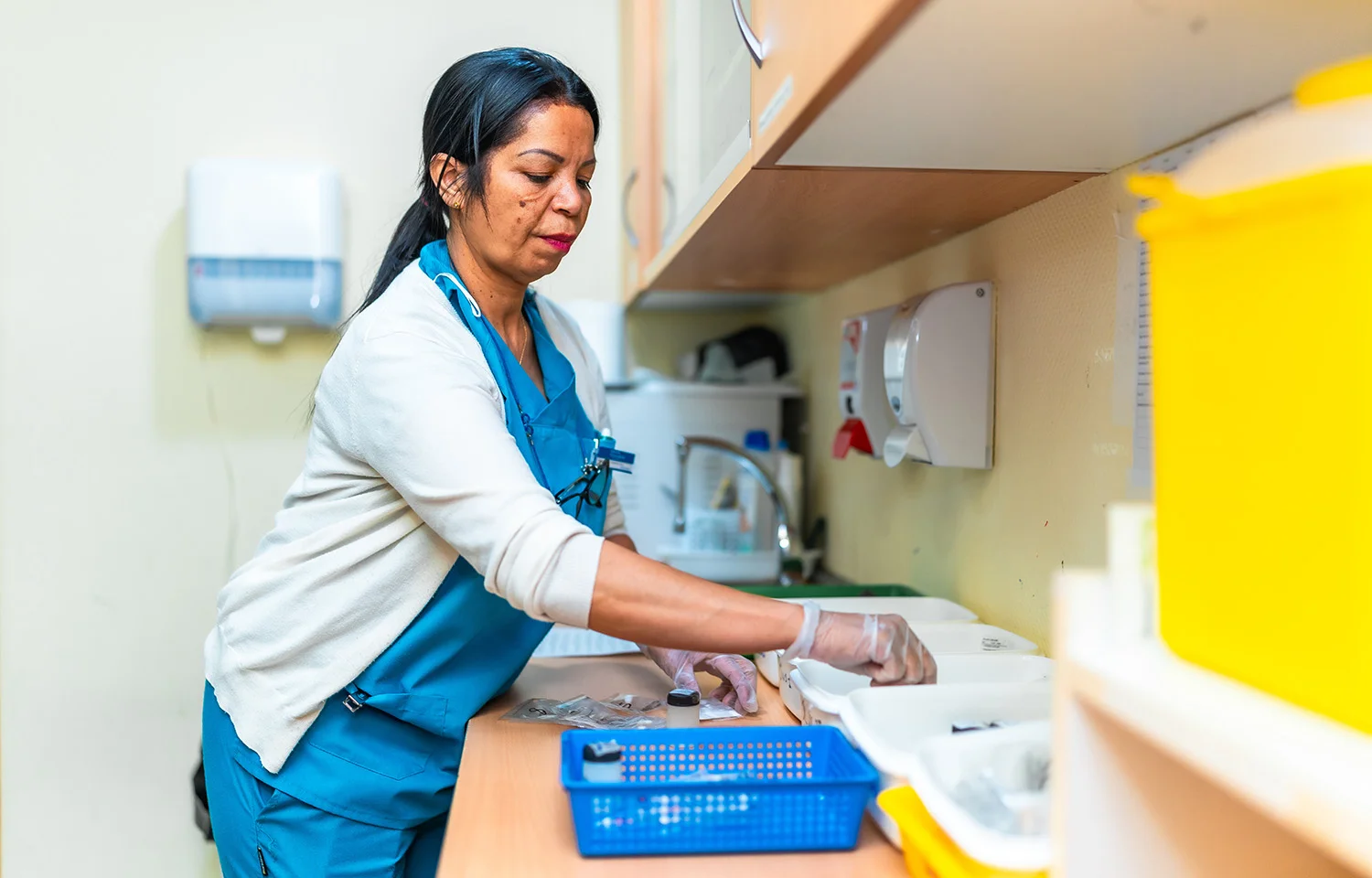
Saint Paul College’s Trained Medication Aide program is designed for working Healthcare Professionals who want to grow their skills without a long time commitment. In just a short period, you’ll gain the knowledge and hands-on experience needed to safely administer medications in long-term care settings. With focused instruction and flexible scheduling, you can quickly boost your qualifications and open the door to new career opportunities in healthcare.
Career Advancement & Professional Growth
The Trained Medication Aide program at Saint Paul College provides CNAs with the opportunity to build on their existing experience by learning safe medication administration practices. This added skill set allows for greater involvement in resident care and can lead to expanded responsibilities within long-term care and assisted living environments. The program supports professional development and helps individuals prepare for more advanced roles in the healthcare field.
Enhanced Patient Care Skills
The Trained Medication Aide program builds on foundational healthcare experience by introducing safe and accurate medication administration practices. Students learn how to follow medication protocols, monitor patient responses, and communicate effectively with healthcare teams. These skills contribute to more comprehensive and attentive care for residents in long-term care settings, allowing aides to play a more active role in supporting patient health and well-being.