
 Apply
Apply  Visit
Visit  Request Info
  Give
Give  Apply
Apply  Visit
Visit  Request Info
  Give
Give  D2L
D2L  Calendar
  Directory
  Course Schedule





Our students are working full-time jobs, they are parents, they have family responsibilities, so choosing a two-year, full-time program is a huge sacrifice.
Dean of Health Services
Picture a group of students arriving on campus who have worked a shift already or whose kids were up all night, yet show up day after day for the demanding Respiratory Therapy labs and classes. Among them are international students, some of whom are thousands of miles from home, fueling their dreams of helping others and building new futures. Their commitment is seen in every study session and moment spent mastering clinical skills. Their perseverance and unity define the spirit of our program.
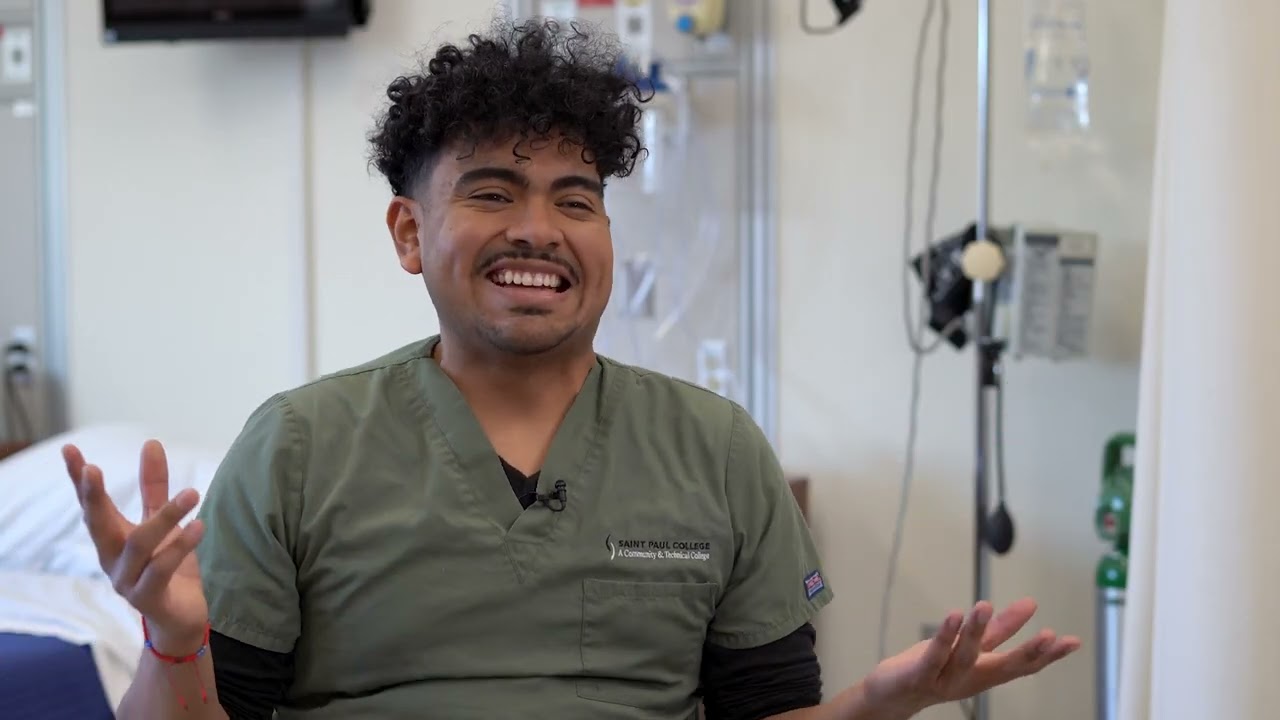

2026’s Respiratory Therapists
The Spring 2026 Respiratory Therapy graduates are a testament to their excellent work and drive. 88% of graduates passed their Therapist-Multiple-Choice (TMC) exam on their first try, earning them the Certified Respiratory Therapist (CRT) licensure. Students with high cut scores then became eligible to take the Clinical Simulation Examinations. All students who took this second exam passed and are certified as Registered Respiratory Therapists (RRT).
These results are more than numbers; they are stories of students encouraging each other, faculty making themselves available outside the classroom, and the palpable excitement as exam results arrived. The quality of the Saint Paul College (SPC) program shines through every student’s achievement.
SPC’s licensure pass rates reflect the strength of our program, which is supported by up-to-date equipment, dedicated faculty, and the hard work and commitment of our Respiratory Therapy students.
Dean of Health Services
The Respiratory Therapy Program
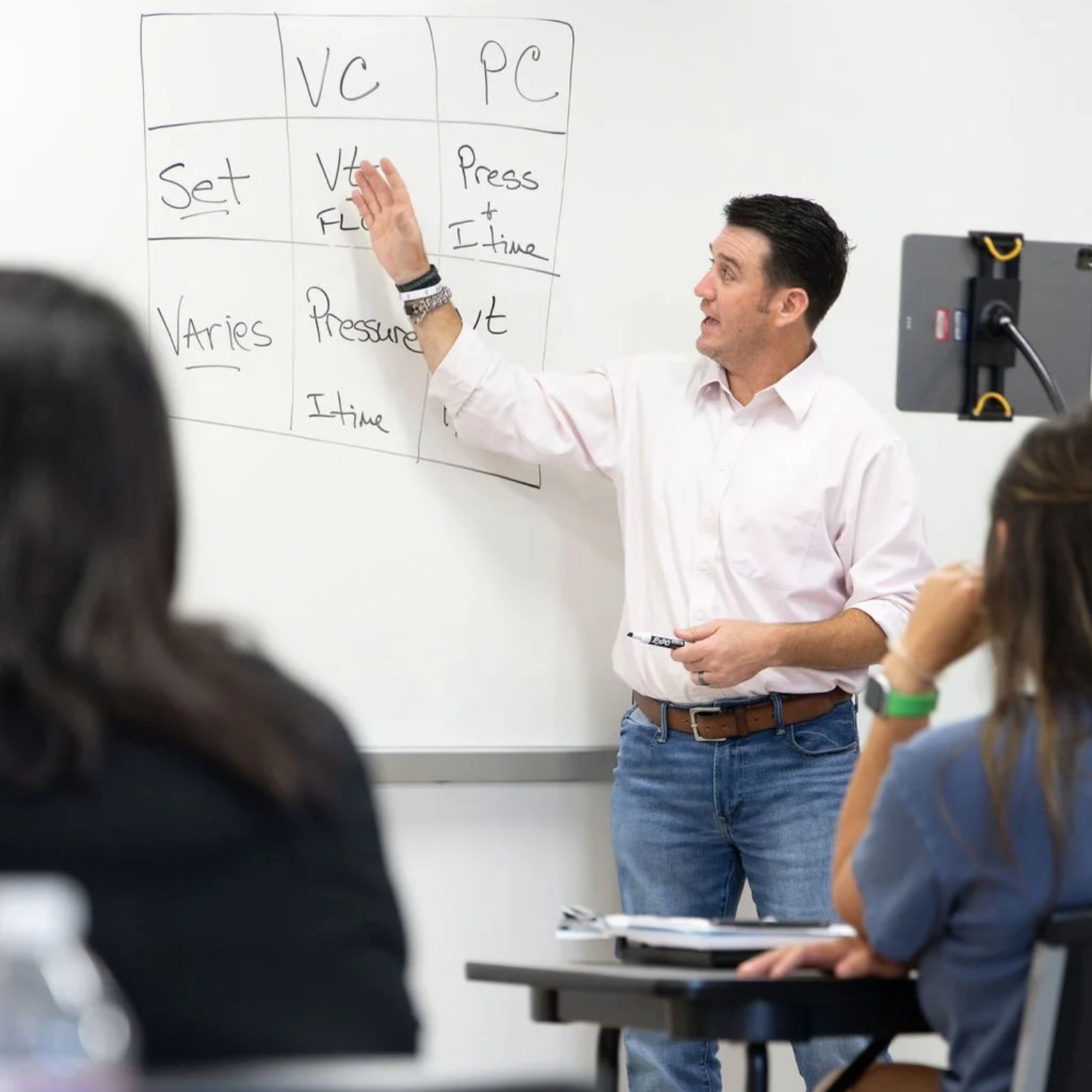
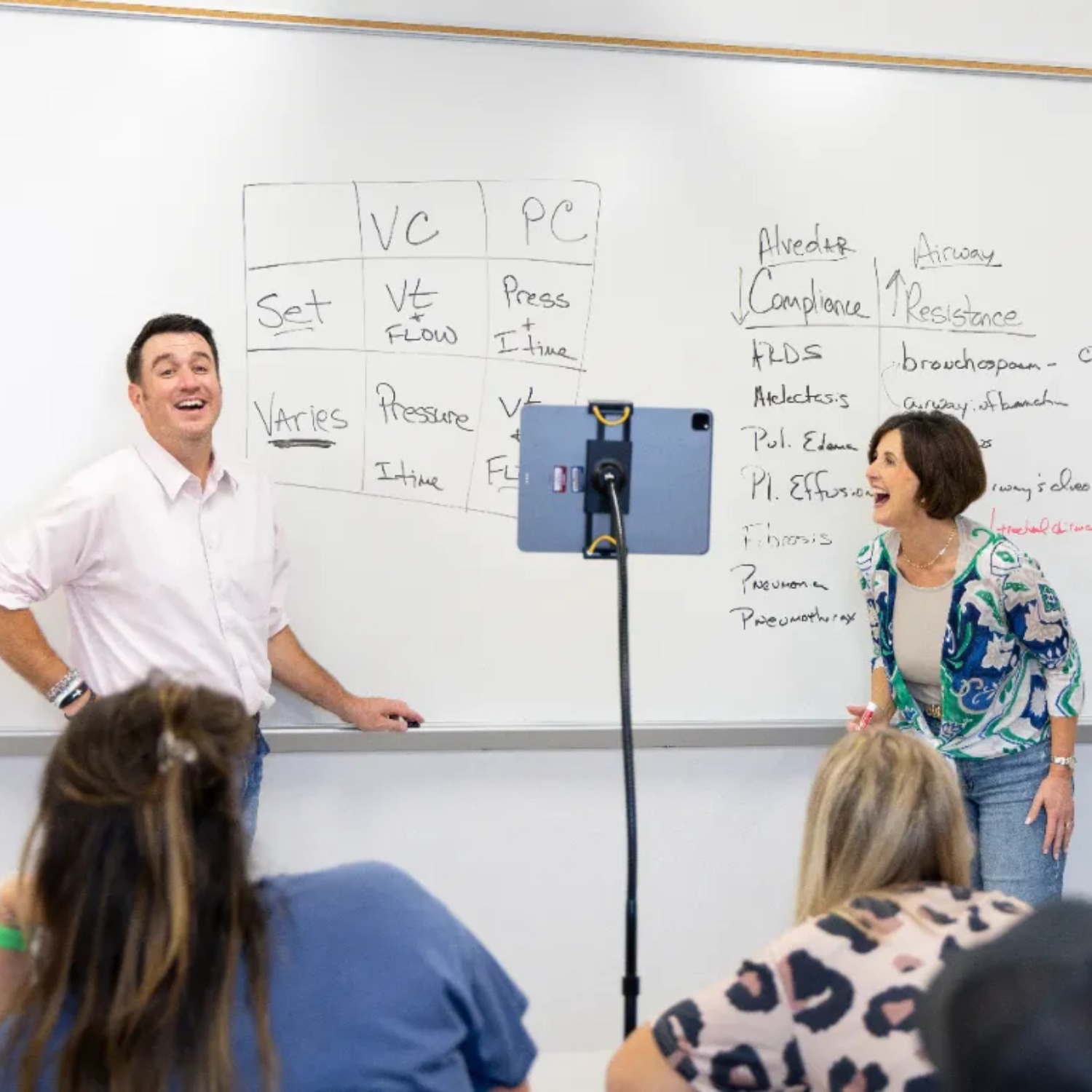
When you walk into the respiratory therapy labs, you’ll find faculty guiding students through real-world scenarios using the latest equipment and tailoring instructions to individual learning styles. Faculty host hands-on workshops and mentor students, ensuring each one feels prepared for both the CRT and RRT exams.
To keep our facilities and curriculum aligned with professional standards, faculty use the OneVision program to embed exam-like challenges into coursework. Before exam day, students participate in a two-day licensure exam review, working side by side with their peers and instructors to sharpen their skills and boost their confidence.
The Future of the Program
The Perkins grant has truly empowered our programs and faculty to go above and beyond for students. In addition to supporting respiratory therapy, it helped cover the cost of the licensed practical nurse exam in December 2026, which achieved a 94% pass rate. As the grant concludes in the coming academic year, we remain inspired to continue pursuing innovative solutions and maintaining our commitment to student success. We will build on what OneVision taught the faculty and continue it in future classes, while being proactive to ensure the skills and information taught are accurate to what students will experience in the real world. Our goals remain: to prepare each student for their licensure exams and careers in Respiratory Therapy.
I would tell someone to come study respiratory therapy at Saint Paul College because it’s been really awesome. We have great instructors, and they care, and they want us to succeed.
Respiratory Therapy